
AssemblyMember David Tangipa to announce Resolution August 6, 2026 on Assembly Floor

CNS Balloon Day is about making advocacy local and personal—one balloon, one connection at a time.
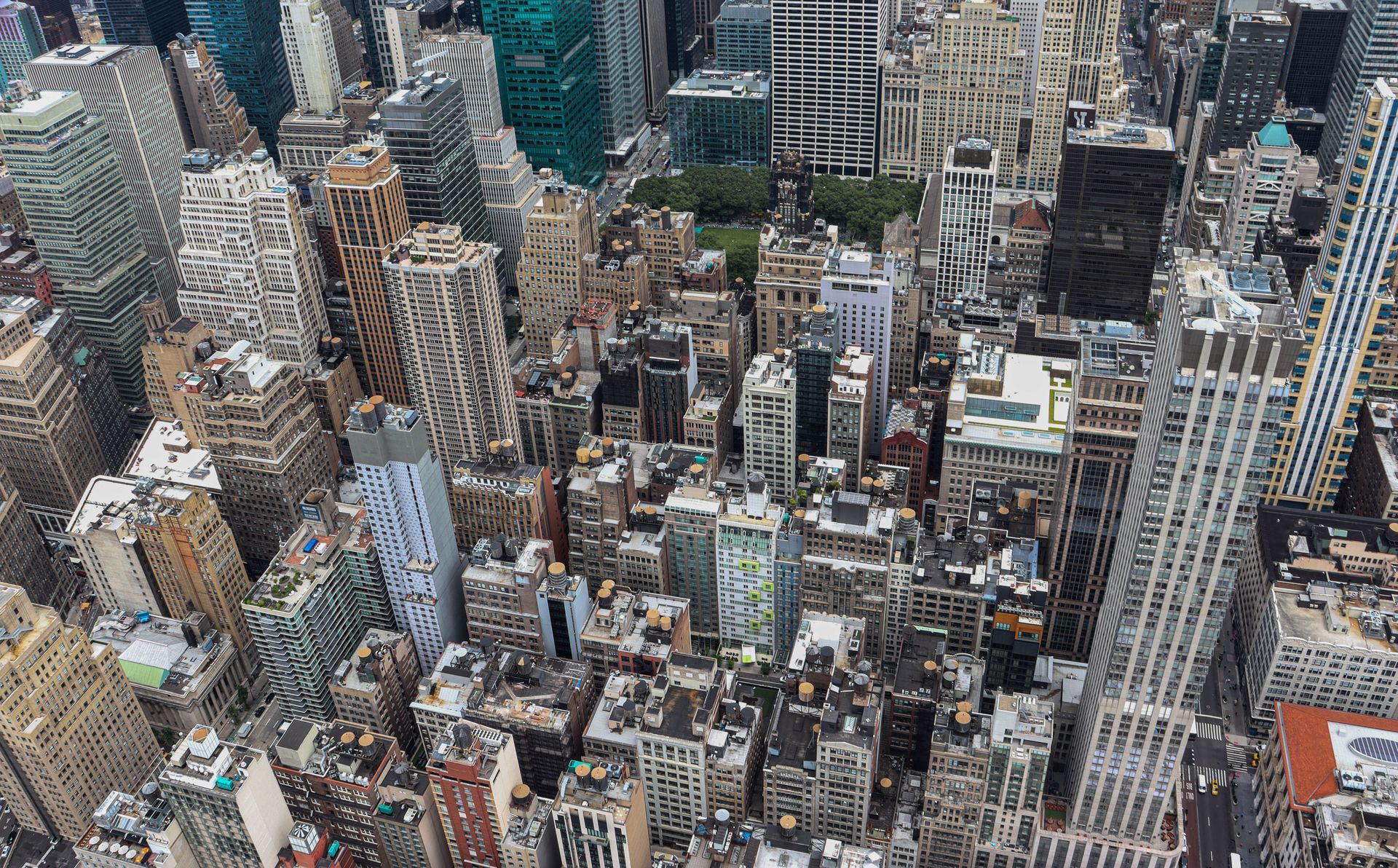
CNS is advancing a resolution calling for healthier, safer, more accessible, transit-connected, and climate-resilient communities throughout California.
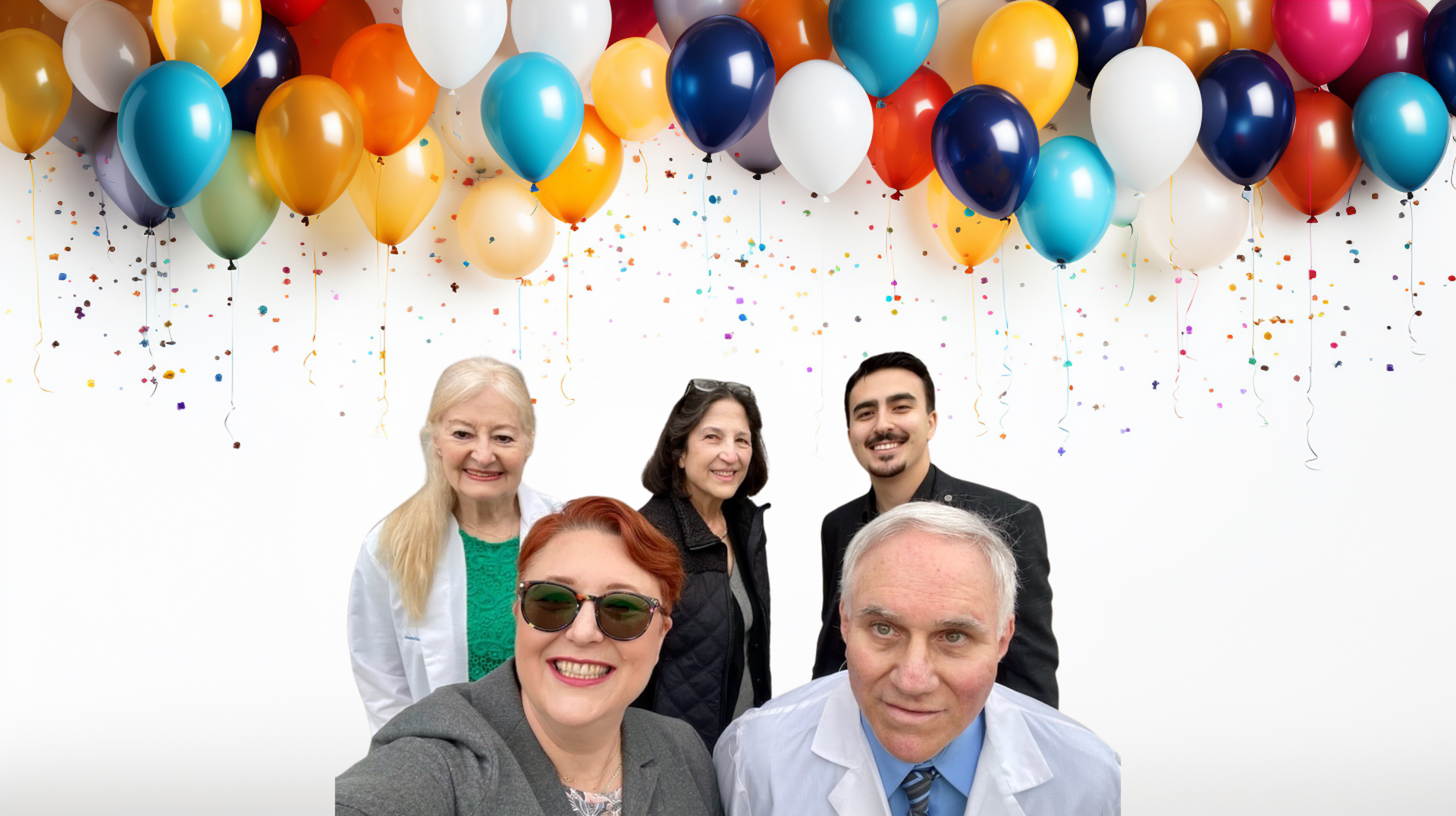
On July 23, the California Neurology Society invites you to visit your local State Senator and Assemblymember as part of CNS Balloon Day.
CNS announces reduced conference registration rates to neurologists who are members in good standing of their respective state neurology society organizations.
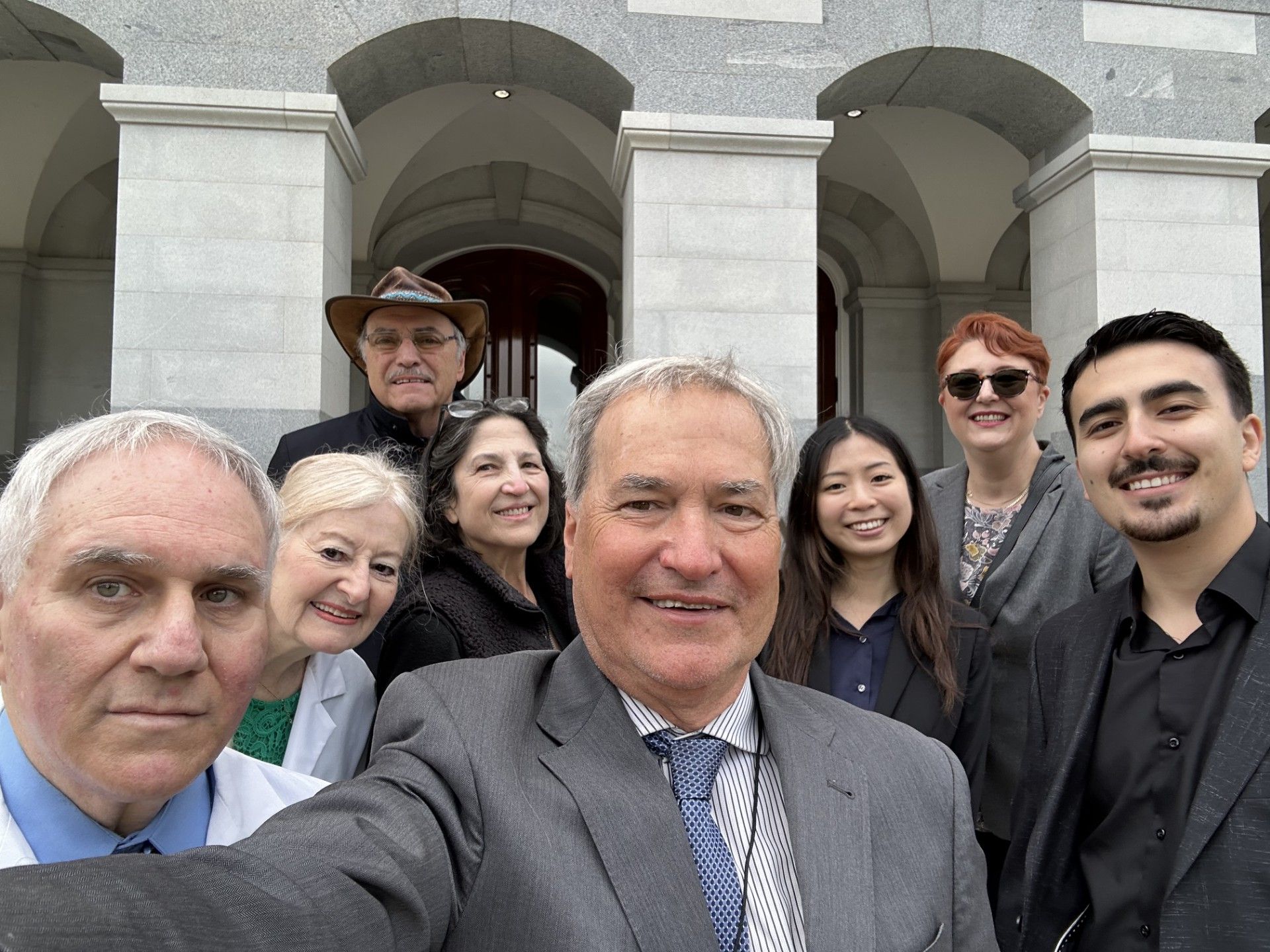
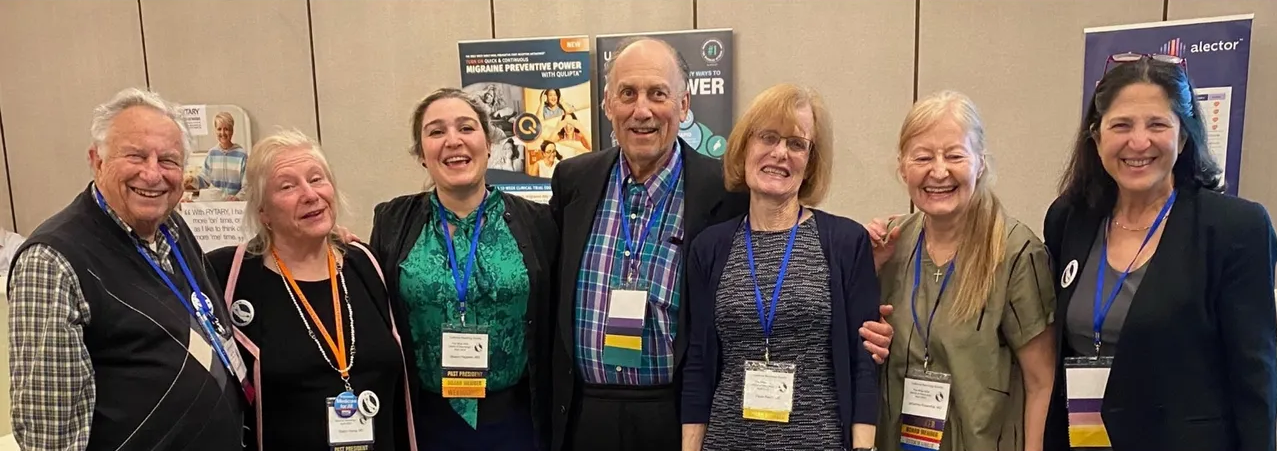
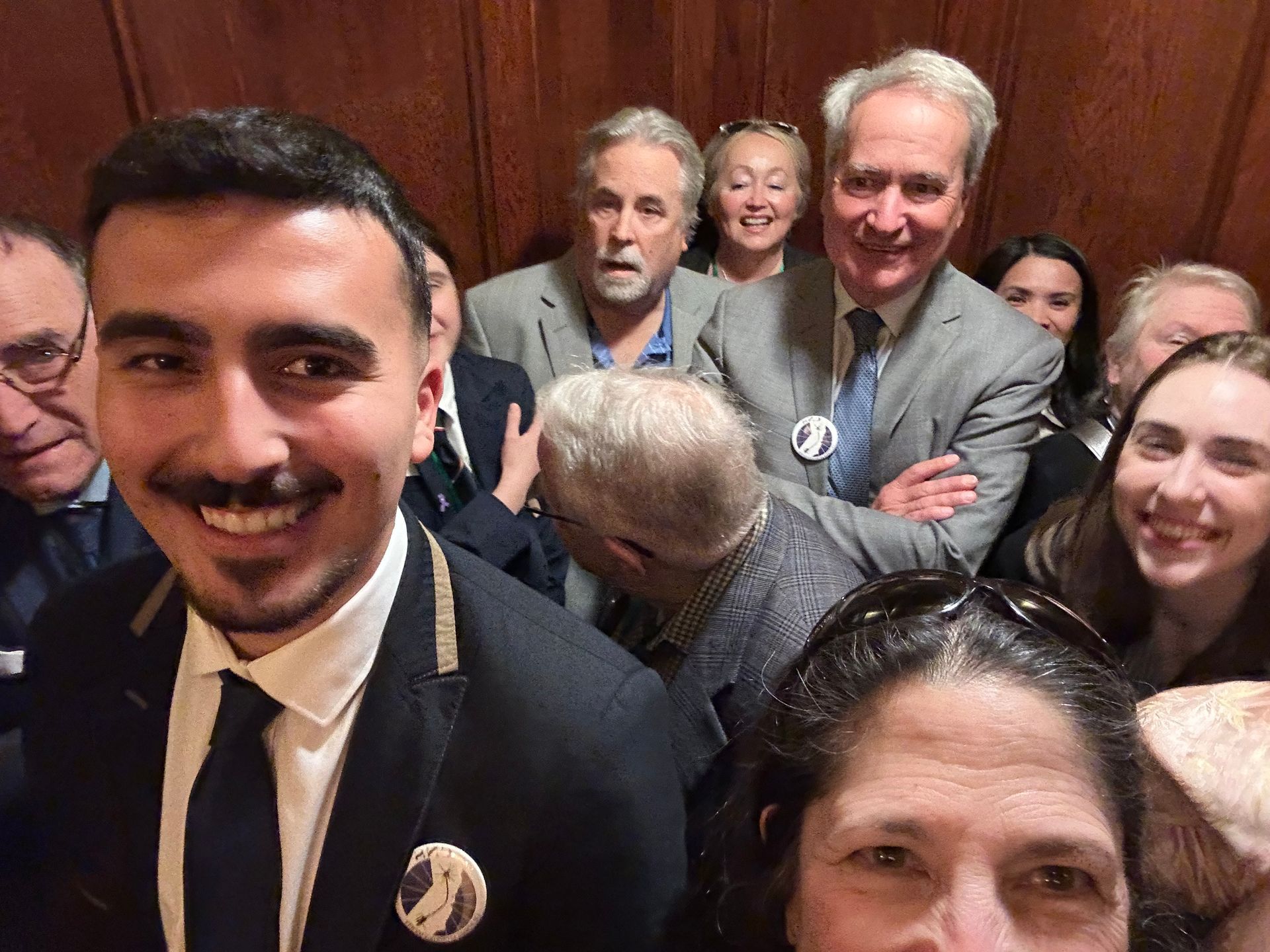
CNS Advocacy Day brought neurologists, trainees, and advocates together at the State Capitol to elevate the voice of neurology in statewide policy discussions.

The registry aims to provide clinicians with meaningful insights into treatment response, support evidence‑based use of high‑cost therapies, and create a long‑term resource for research
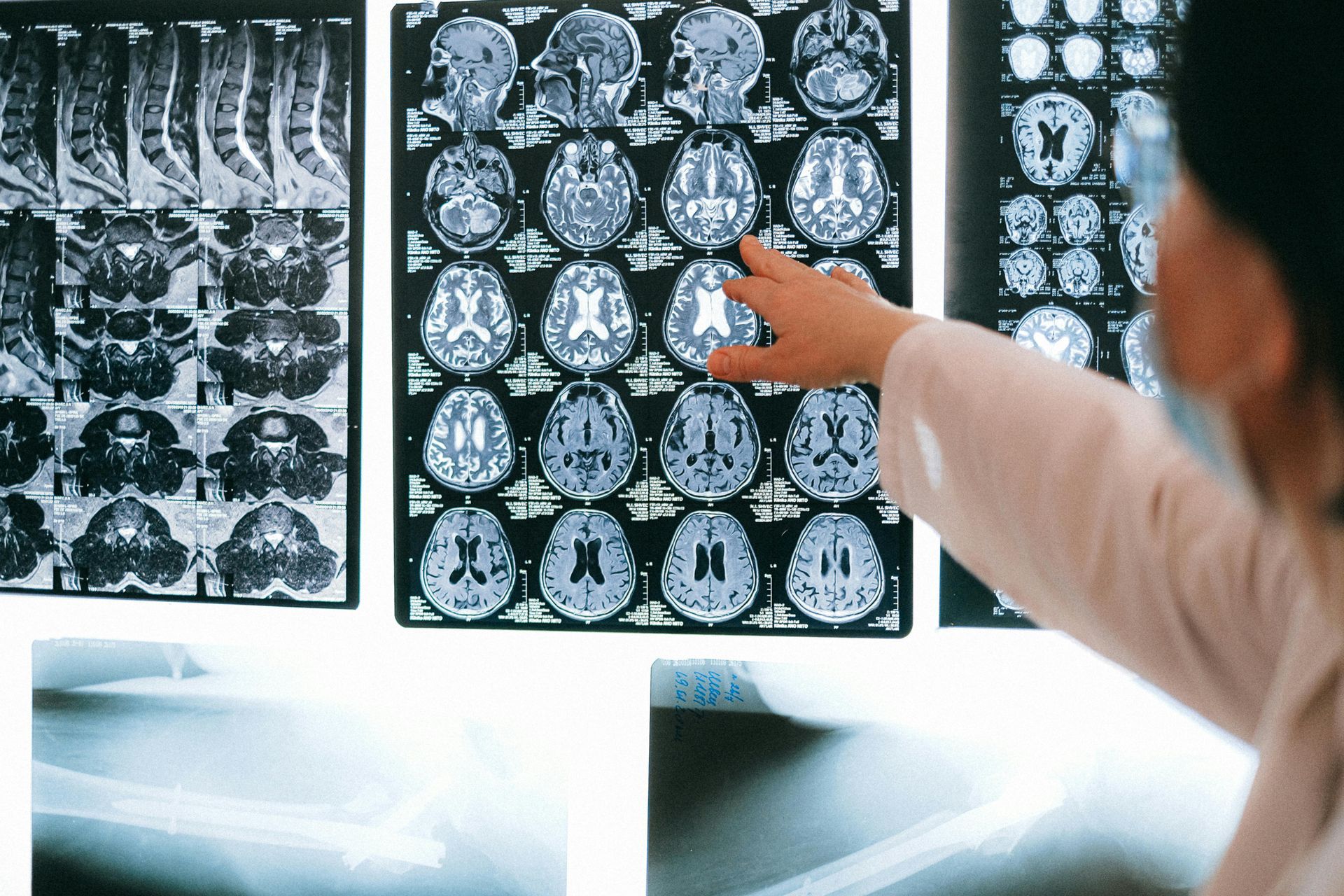
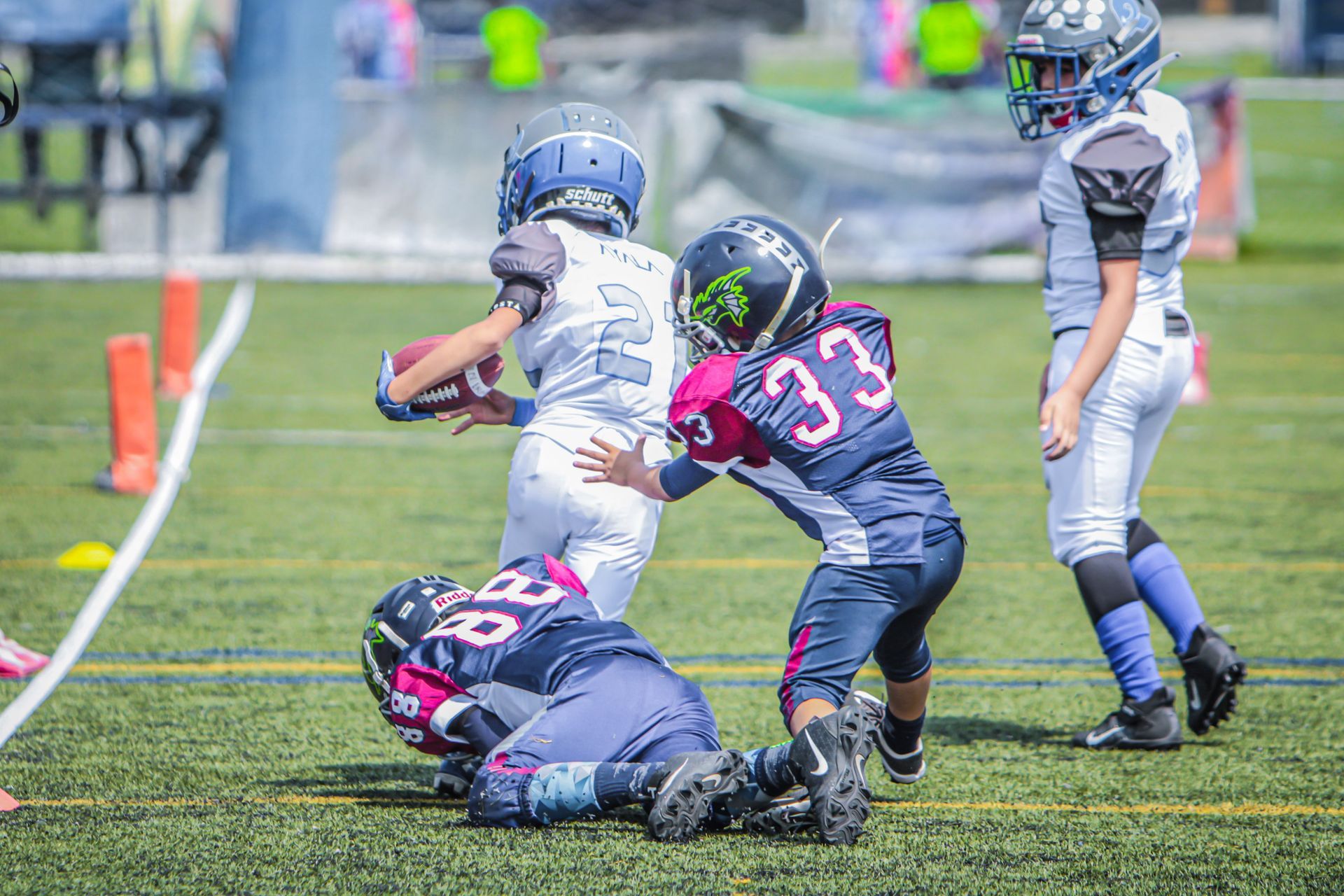
Together, we are making California a safer place for every young athlete

The Epilepsy Transportation Endorsement Form initiative is gaining powerful momentum, with 23 endorsements received to date.

CNS must voice its deep concern regarding recent actions by the U.S. Department of Health and Human Services under Secretary Robert F. Kennedy Jr.