Syphilis has haunted humanity for over five centuries—shaping medicine, neurology, public health, ethics, art, and even war. This Saturday Night Soirée traces the dramatic rise, fall, and resurgence of syphilis and neurosyphilis through the lens of history, culture, and clinical practice.
From Renaissance poetry to penicillin, from moral panic to modern public health, this session will explore how one disease influenced not only the evolution of medical knowledge, but also society’s deepest anxieties about sex, sin, and stigma. Attendees will confront uncomfortable truths about past medical abuses, reconsider the relevance of syphilis today, and leave with a renewed appreciation for why this “old” disease still matters in contemporary neurology and healthcare.
Learning objectives
By the end of this session, participants will be able to:
- Trace the evolution of medical understanding and treatment
- Describe how concepts of syphilis and neurosyphilis have changed from the 15th century to the present.
- Identify key milestones in diagnosis and therapy, including the impact of penicillin and modern neuroimaging.
- Analyze social stigma and cultural perceptions
- Discuss how syphilis became a symbol of immorality, shame, and “contagious vice.”
- Recognize how stigma has affected patients’ willingness to seek care and society’s willingness to confront the disease.
- Examine syphilis in public health history
- Explain how syphilis shaped early public health policies, venereal disease clinics, and contact tracing.
- Relate syphilis control efforts to broader developments in epidemiology and population health.
- Connect syphilis to major historical events
- Explore the relationship between syphilis and war, including troop movements, brothels, and military medicine.
- Consider how epidemics of syphilis intersected with other infectious disease crises.
- Evaluate ethical implications of past research and practice
- Describe the Tuskegee Syphilis Study and the Guatemalan experiments, and their lasting impact on research ethics.
- Reflect on how these abuses inform current principles of informed consent, justice, and respect for persons.
- Recognize syphilis in art, literature, and popular culture
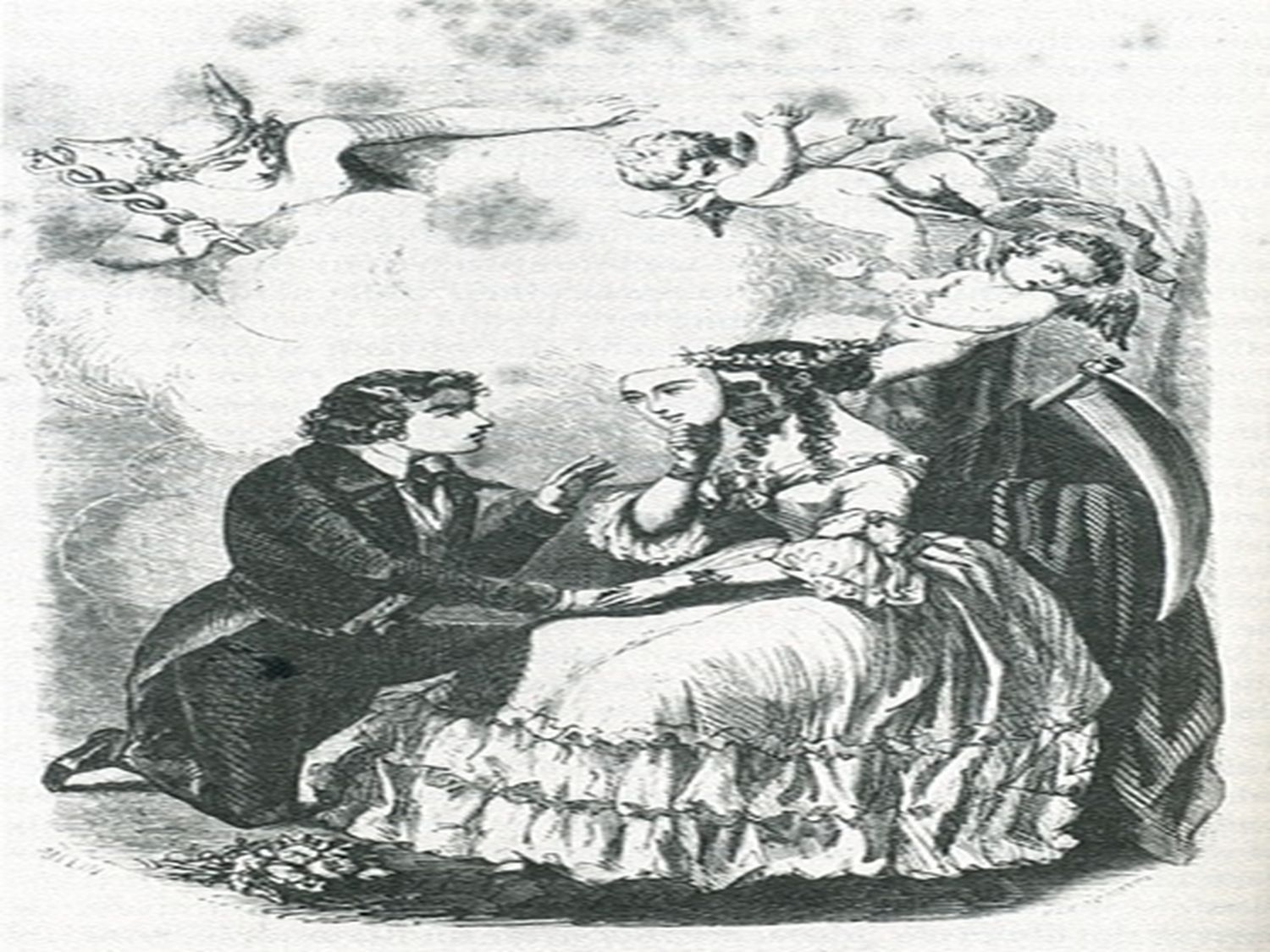
- Identify representations of syphilis in visual art, literature, and moral tracts (e.g., Le Livre Sans Titre).
- Discuss how these works shaped public perception and moral narratives around sexuality and disease.
- Relate historical insights to modern clinical practice
- Summarize current epidemiology and clinical stages of syphilis and neurosyphilis.
- Articulate why syphilis remains relevant to neurologists, nurses, pharmacists, and other health professionals today.
Questions to ponder
- Relevance and responsibility
- Why should I care about syphilis and neurosyphilis as a health professional—nurse, pharmacist, neurologist/physician—and as a member of the public?
- How does this “old” disease challenge our assumptions about what is “historical” versus what is still very much alive?
- Origins and naming
- Where did syphilis come from, and what are the major theories of its origin?
- Why is the disease called “syphilis,” and what is the story behind its name?
- Key historical figures and symbols
- Who was Girolamo Fracastoro, and in what ways was he ahead of his time?
- How are Venus and Mercury connected with syphilis—medically, mythologically, and metaphorically?
- How is Le Livre Sans Titre: The Fatal Consequences of Masturbation related to syphilis, morality, and fear?
- Medical evolution and war
- What were the catalysts for the evolution in the understanding and treatment of syphilis and neurosyphilis?
- How is war connected to the spread, recognition, and control of syphilis?
- What are the stages of syphilis, and how do they intersect with neurological involvement?
- Modern landscape
- What are the current statistics on syphilis and neurosyphilis, and what do they reveal about today’s public health challenges?
- How has treatment evolved—from mercury and salvarsan to penicillin and beyond?
- Ethics and legacy
- What was the clandestine Guatemalan Study, and how is it related to the Tuskegee Study?
- What medical specialties evolved, at least in part, from the study of syphilis (e.g., dermatology, venereology, neurology, psychiatry, public health)?
- How are religion, social morals, and ethics intertwined with the history of syphilis—and what lessons does that hold for us now?
A Guaranteed Night of Entertainment for all!