

Learn more about what we do to be your voice in Sacramento. Let us know how we can help you stay on top of what matters to you most in healthcare, about the issues you face in practice, and the impact of any past legislation, or simply email us to ask a question.

CNS Advocacy Day at the Capitol

​​​​​​​​​​​​​​​​​​​​​​​​​​​​Monday, April 13th, 2026

From Clinic to Capitol: Amplifying Neurological Care and Patient Priorities

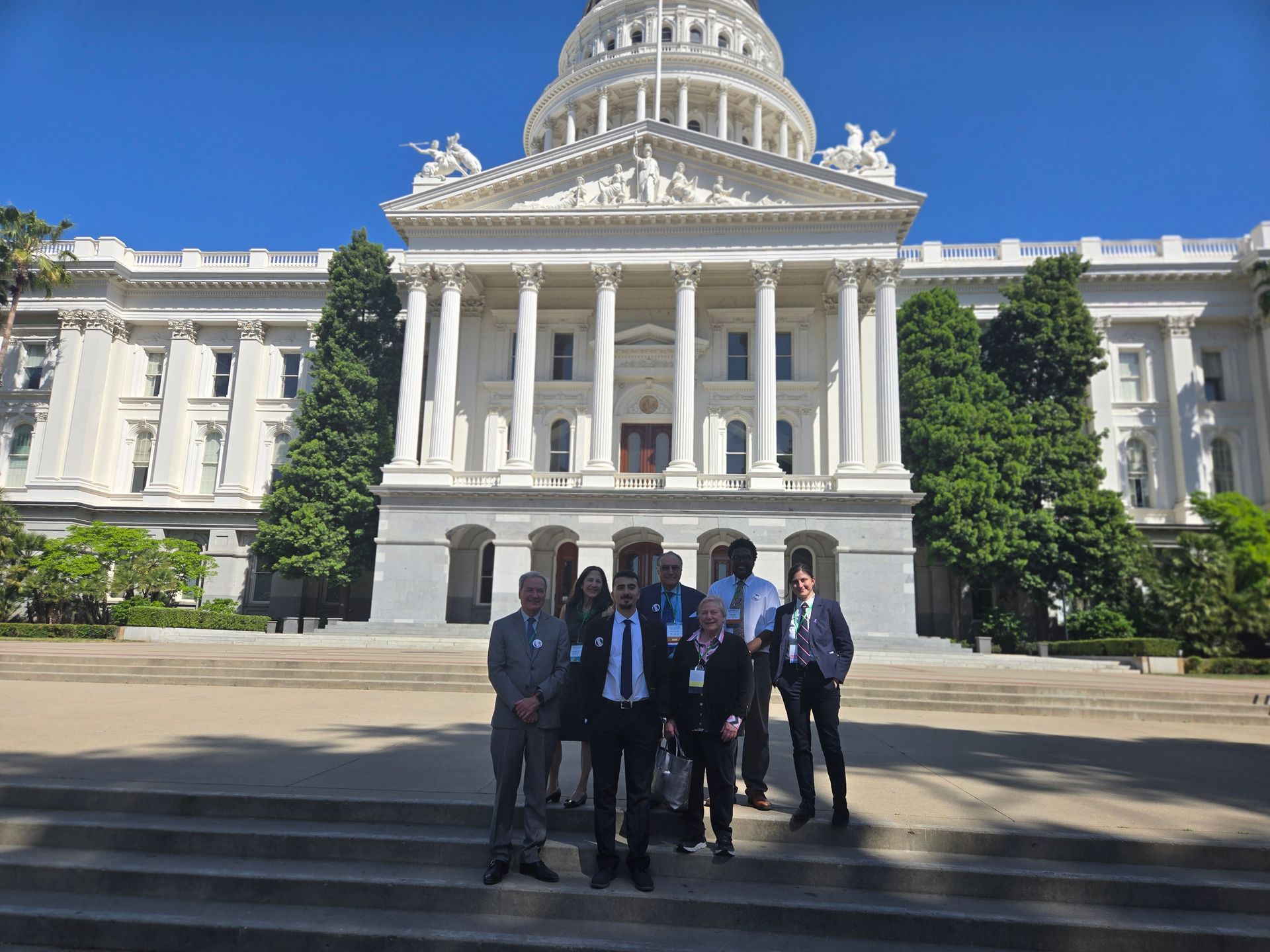
The California Neurology Society’s Advocacy Day on April 13 brought our community together in Sacramento with a shared purpose—to ensure the voice of neurology is heard where it matters most. It was energizing to see neurologists, trainees, and advocates speak directly with legislators about what we witness every day: the challenges our patients face, the strain on our workforce, and the realities of delivering care across California.


Equally meaningful were the connections—colleagues coming together across settings and career stages, grounded in a shared commitment to our patients and to one another.


A week later, that collective effort translated into action. Scott Wiener presented SCR 124 on the Senate floor, and it passed unanimously.


“For the California Neurology Society, which sponsored this resolution, this was a significant milestone. SCR 124 recognizes transportation access as a critical determinant of employment and independence for adults with epilepsy—a population that faces disproportionately high unemployment due to driving restrictions and limited public transit.”

—Jeff Klingman, President 

  California Neurology Society 


This is what advocacy looks like—personal, direct, and impactful.


Thank you to everyone who showed up, spoke up, and made this possible.

— Selim Yilmaz, Legislative Advocate

   California Neurology Society 


To express your interest in participating in future advocacy days or to get involved with the CNS Legislative Committee, please contact us directly at LEDGE@caneurologysociety.org.

Support the Multiple Sclerosis Registry

The California Neurology Society is supporting a statewide prospective registry to advance understanding of Multiple Sclerosis (MS) and related autoimmune neurological diseases. Led by Principal Investigator Dr. Johanna Rosenthal, this collaborative effort brings together neurologists from Arrowhead Regional Medical Center, Riverside Community Hospital, and across California.


This registry collects de‑identified laboratory and clinical data—including immunoglobulin subclasses, lymphocyte populations, and flow cytometry results—to evaluate how modern Disease Modifying Therapies (DMTs) affect the immune system.


Participating neurologists submit data from consenting adult patients, with testing performed at standardized intervals before and after treatment.


By freezing and analyzing data quarterly, the registry aims to provide clinicians with meaningful insights into treatment response, support evidence‑based use of high‑cost therapies, and create a long‑term resource for research. The project includes an initial one‑year cohort of 100 patients, with potential for expansion based on findings.

If interested in joining the registry please contact Johanna Rosenthal, MD via text at 714-213-0492 or by email at johanna.rosenthal@cusm.edu.

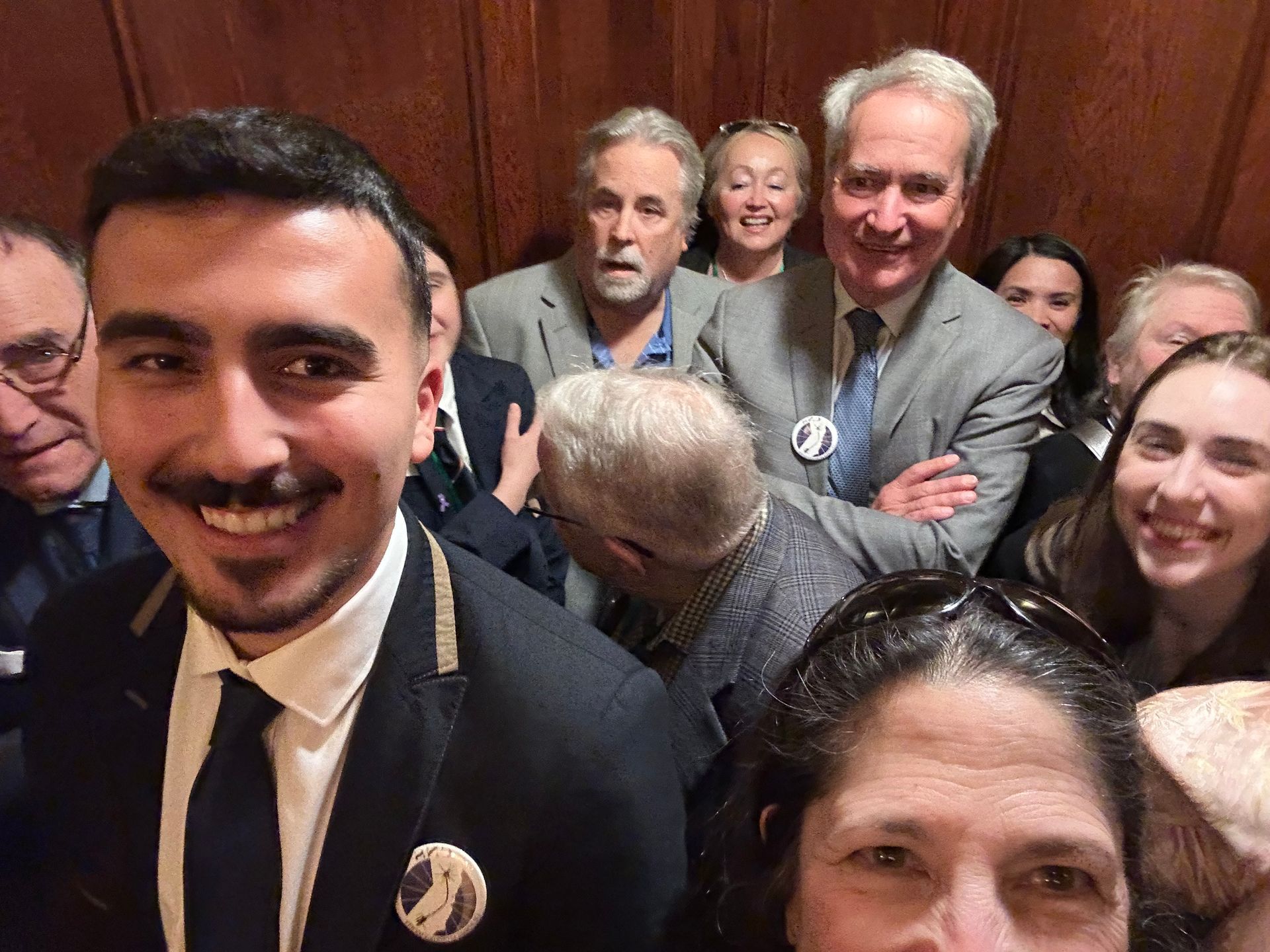
CNS Board and Legislative staff at CA Capitol building
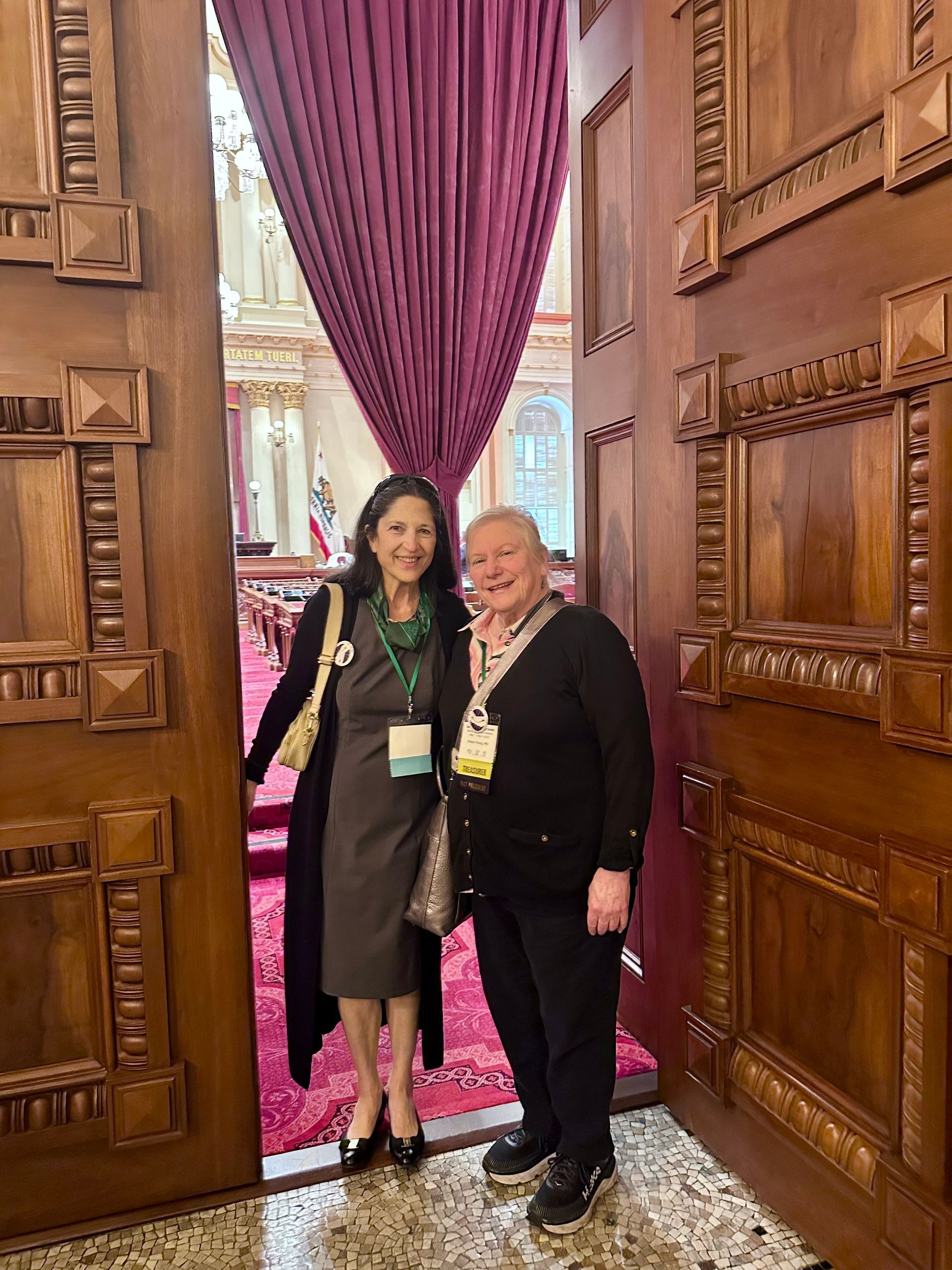
CNS Past President, Stella Legarda, and CNS Treasurer, Robyn Young at CA Capitol building
CNS Board and Legislative staff at CA Capitol building
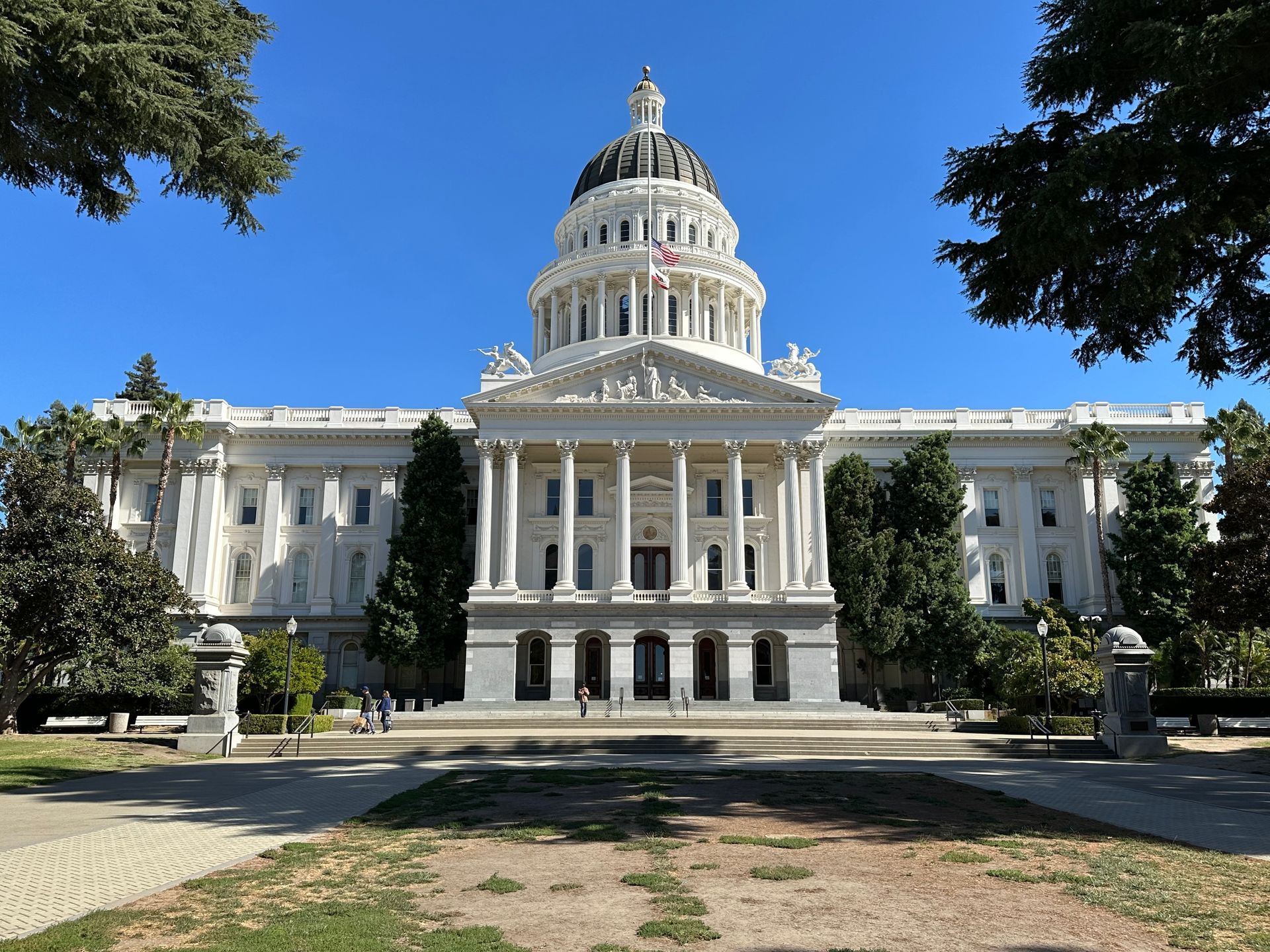
CA Capitol Building
Capitol Building of California
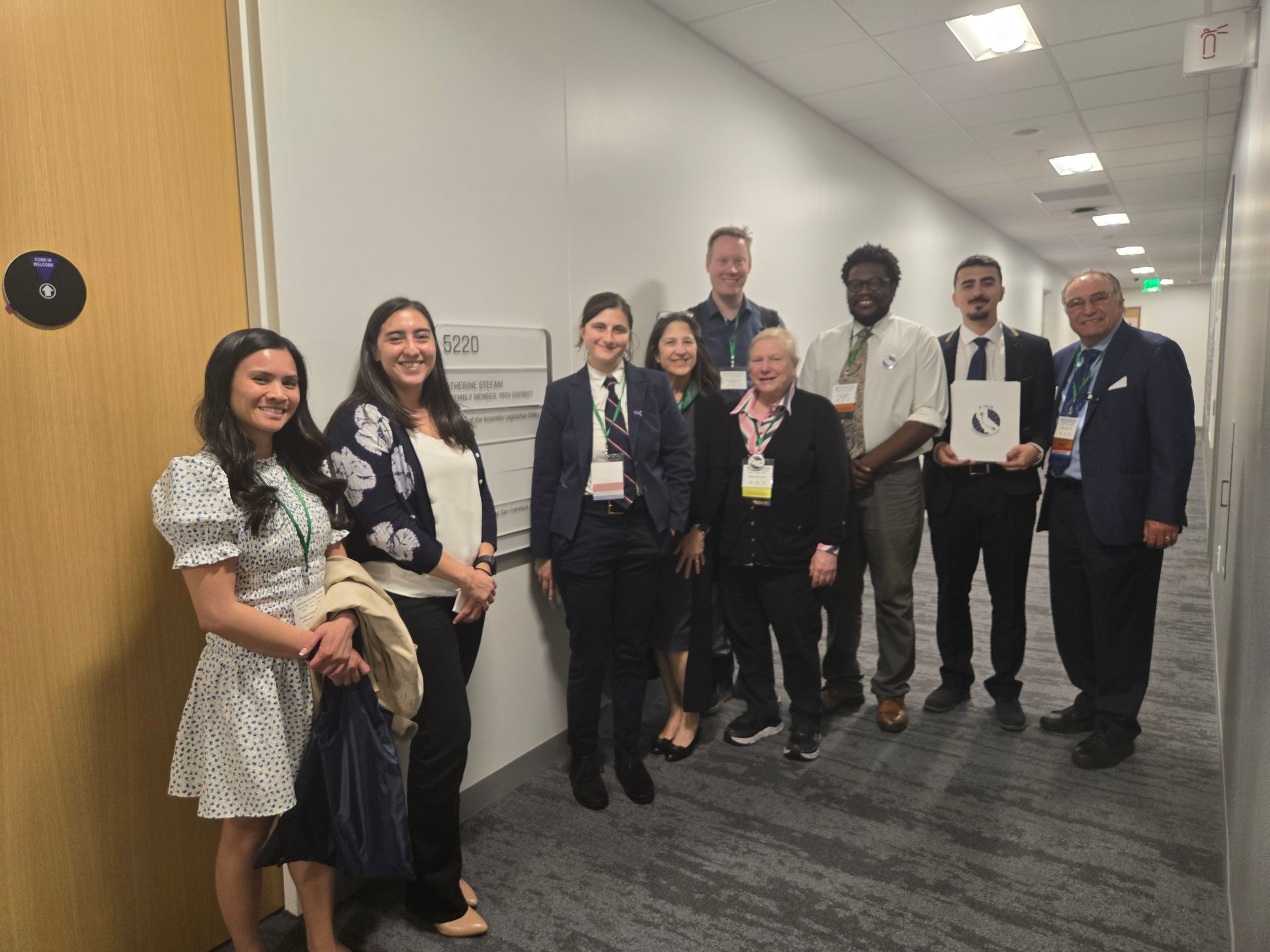
CNS Board and Legislative staff meeting with CA Legislative aide

RECENT DEVELOPMENTS, BLOGS, & MEETING MINUTES

CNS Leadership and Advocacy partners take a group photo
By California Neurology Society CNS May 29, 2026
CNS announces reduced conference registration rates to neurologists who are members in good standing of their respective state neurology society organizations.
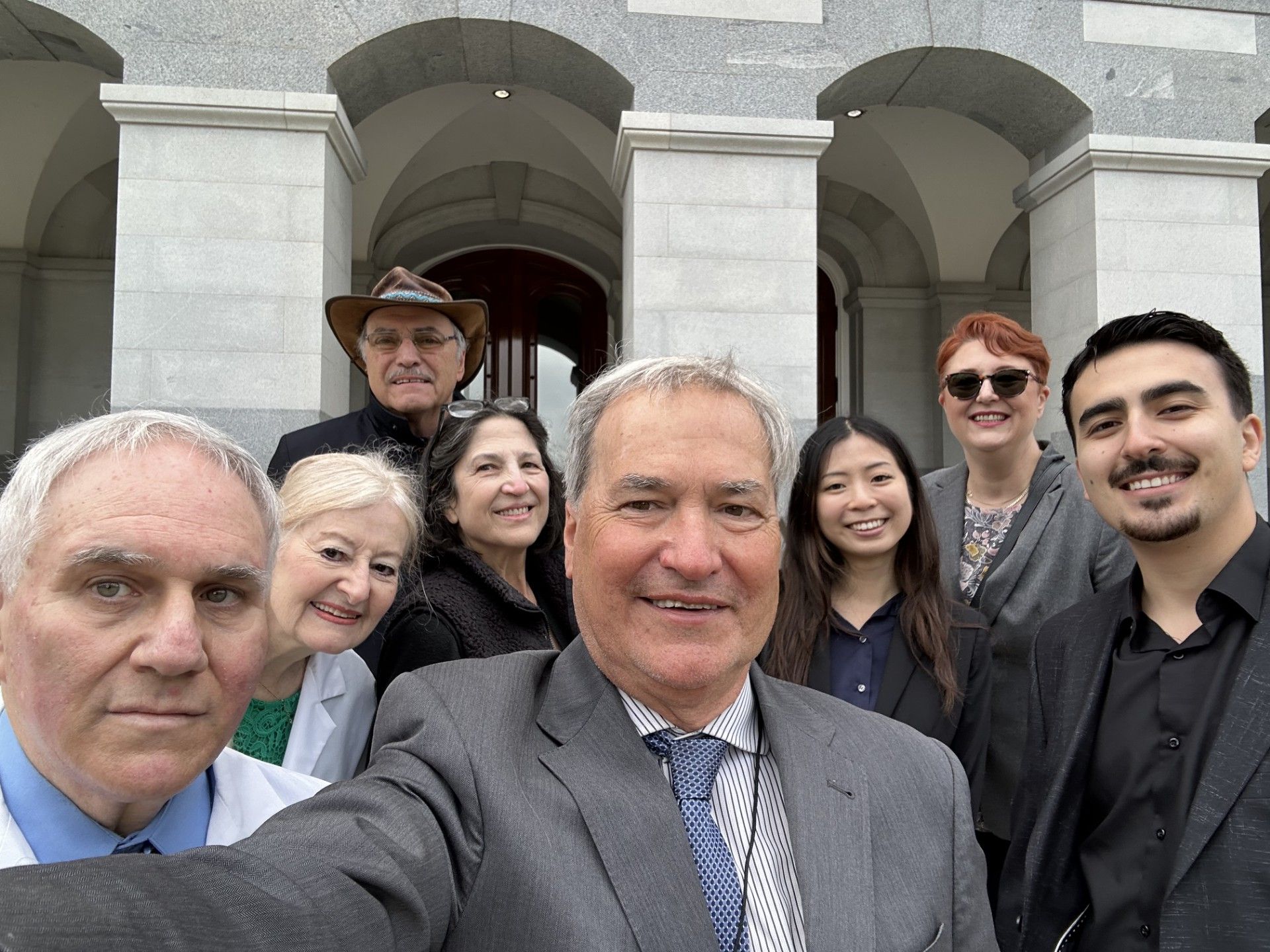
CNS President, legislative advocate, and CNS members on the CA Capitol steps for CNS Advocacy Day
By California Neurology Society CNS May 4, 2026
CNS Advocacy Day brought neurologists, trainees, and advocates together at the State Capitol to elevate the voice of neurology in statewide policy discussions.
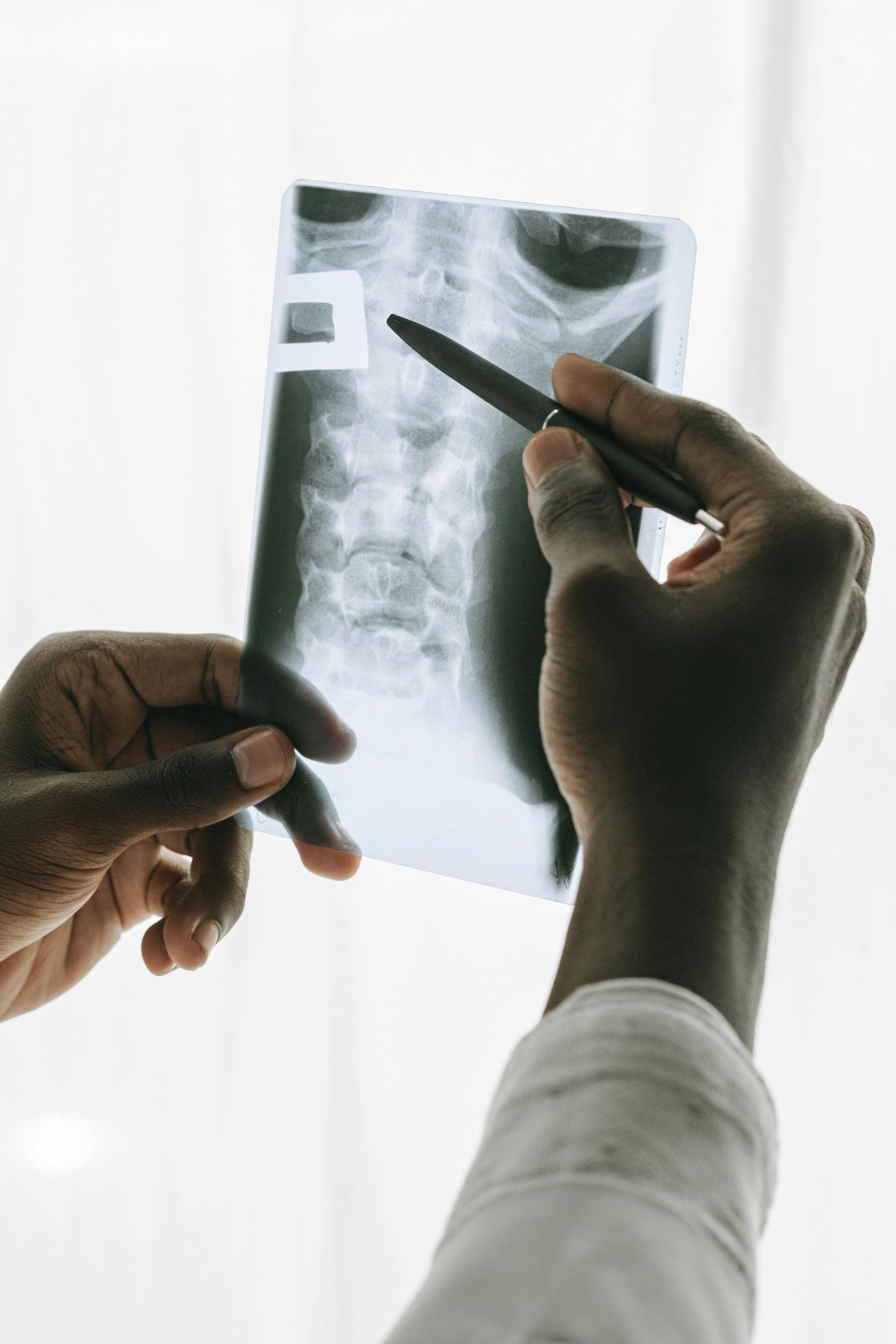
Spinal Scan image
March 24, 2026
Acute brain injury and high spinal cord injury can trigger powerful autonomic responses that transiently impair cardiac function—a phenomenon known as neurogenic stunned myocardium that deserves greater clinical awareness.

By California Neurology Society CNS March 21, 2026
The registry aims to provide clinicians with meaningful insights into treatment response, support evidence‑based use of high‑cost therapies, and create a long‑term resource for research
By California Neurology Society CNS March 16, 2026
Join CNS for a special session during Saturday Night's ticketed dinner
By California Neurology Society CNS February 5, 2026
Together, we are making California a safer place for every young athlete

By California Neurology Society CNS October 27, 2025
The Epilepsy Transportation Endorsement Form initiative is gaining powerful momentum, with 23 endorsements received to date.
By California Neurology Society CNS October 13, 2025
CNS must voice its deep concern regarding recent actions by the U.S. Department of Health and Human Services under Secretary Robert F. Kennedy Jr.
By California Neurology Society CNS September 29, 2025
Medicare coverage changes, legislative initiatives, and CTE Education
By California Neurology Society CNS September 16, 2025
Stay informed on our ongoing advocacy efforts
Show More

Advocacy

01

Advocating for The Neurologist

We keep pace of legislation of relevance at the California Legislature, the Governor’s office and those regulatory agencies that can directly or indirectly effect any change to the scope of practice and any other aspect of the profession and actively advocate on behalf of neurologist. 

02

Advocate for Our Patients

We advocate for testing and treatments that would have an impact on the lives of our patients


03

Educating the Public

We feel that neurologist need to do more to educate the public about their role in the the diagnosis of management of complicated conditions