California’s streets, sidewalks, transit systems, and neighborhoods are part of its health care infrastructure.
Where we live affects how we live—and how well our brains age.
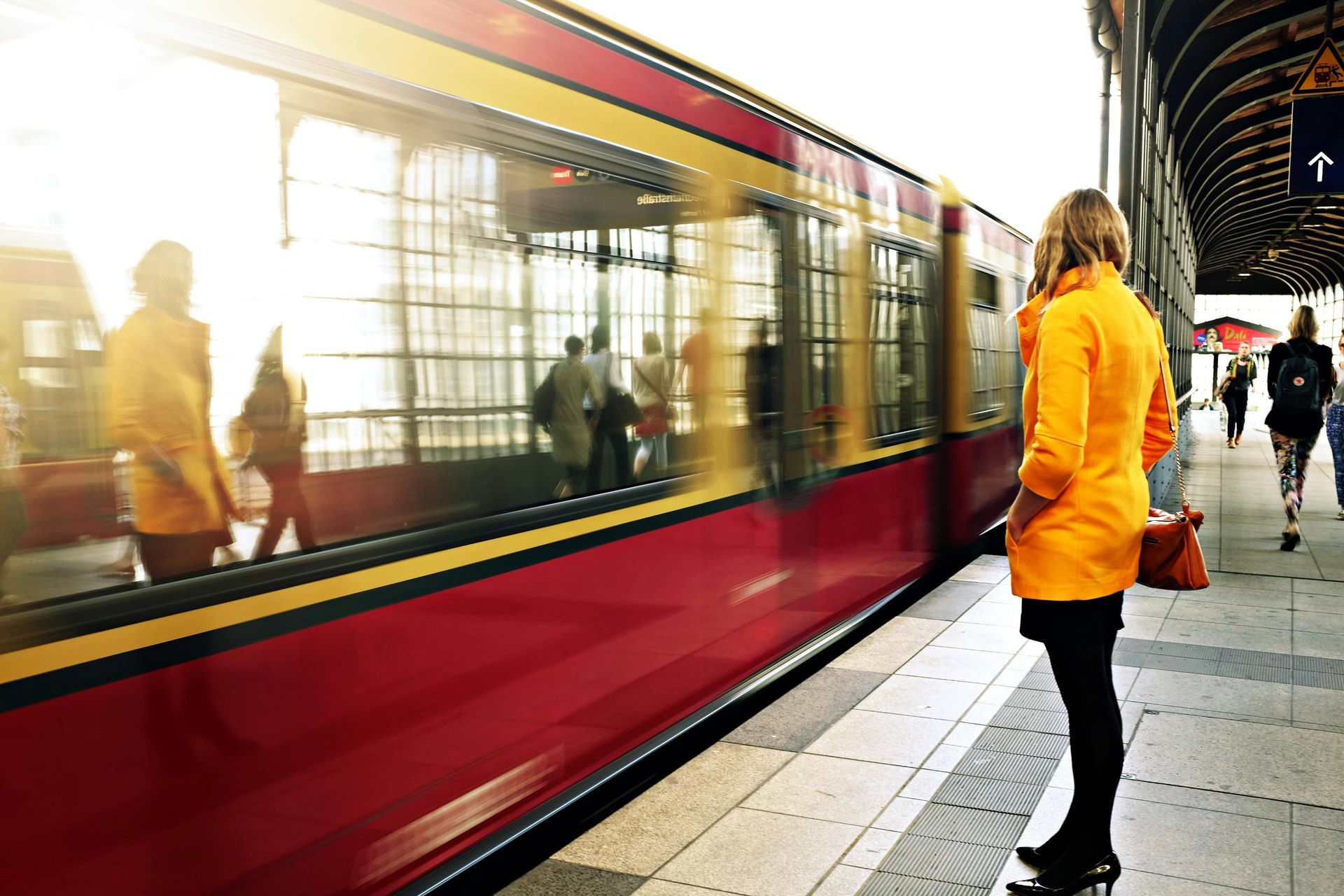
A safe sidewalk can help prevent a fall. A protected bike lane can make physical activity part of daily life. Reliable public transportation can connect someone with epilepsy to work, a person with Parkinson disease to medical care, or an older adult to family and community.
Community design is health policy.
The California Neurology Society is advancing a resolution calling for healthier, safer, more accessible, transit-connected, and climate-resilient communities throughout California.
Mobility Is Medicine
Regular physical activity supports brain health and helps reduce the risk of stroke, dementia, depression, heart disease, diabetes, and falls. Yet staying active should not depend on having a gym membership—or being able to drive.
Walkable neighborhoods, protected bicycle and e-bike routes, accessible sidewalks, safe crossings, green spaces, and reliable public transportation make healthy movement part of ordinary life.
Better community design may also reduce long-term health care costs by helping people remain active, independent, and connected.
Independence Should Not Require a Driver’s License
For many Californians living with neurologic disease or disability, transportation is not simply a matter of convenience.
People with epilepsy may be unable to drive because of seizures. Individuals living with stroke-related disability, Parkinson disease, multiple sclerosis, neuropathy, traumatic brain injury, dementia, or neuromuscular disease may depend on accessible sidewalks, curb cuts, paratransit, mobility devices, and nearby essential services.
Without these connections, people can lose access to:
- Medical care and medications
- Employment and education
- Healthy food
- Family and social support
- Recreation and community life
No Californian should become isolated simply because driving is no longer safe or possible.
California Is Aging. Our Communities Must Be Ready.
By 2030, nearly 10 million Californians will be older adults—approximately one-quarter of the state’s population.
Supporting this population requires more than medical care. It requires communities designed for aging in place: safe crossings, accessible transportation, nearby services, affordable housing, shade, green space, and streets that accommodate wheelchairs, walkers, mobility scooters, bicycles, and pedestrians.
Designing for disability and aging benefits everyone—including children, families, caregivers, and people recovering from illness or injury.
Cleaner Transportation, Healthier Brains
Car-dependent development also contributes to air pollution, traffic injuries, and heat exposure. These risks disproportionately affect older adults, people with disabilities, children, and lower-income communities.
Transit-oriented development, zero-emission public transportation, protected bicycle infrastructure, traffic calming, trees, green space, and thoughtfully planned low-car areas can improve air quality while creating safer and more livable communities.
Our Call to Action
The California Neurology Society calls upon California legislators, state agencies, regional planning bodies, and local governments to make health, accessibility, and mobility central to future development.
Planning decisions should include meaningful input from people living with neurologic conditions and disabilities, older adults, caregivers, physicians, public-health professionals, transportation experts, urban planners, and disability-access specialists.
A sidewalk is not merely an amenity. Public transportation is not merely a convenience. They are essential links to health, independence, and opportunity.
Build smart California communities. Reduce health care costs. Protect brain health. Keep Californians connected.